Last time we set our goals, tone, style and inspiration for our campaign and setting, so let’s put pen to paper (figuratively speaking), and get the setting started.
Top-Down or Bottom-Up or Inside-Out
Generally speaking there are two ways to go about worldbuilding, top-down and bottom-up.
Top-down is working from the Macro- cosmology, planet, geography and so on down to the individual settlements characters, etc. Oftentimes, an RPG’s rulebooks will have some information regarding the bigger elements of its world like deities, people, magic systems and so on.
Bottom-up is the reverse where we start small and work our way up to the big stuff.
There is also Inside-Out building is where the world is only built insofar as it relates to the current situation that the players and the audience finds themselves in. More details about the world are added as the game progresses.
This video discusses these strategies in more detail and gives some examples.
I am more comfortable going through the Bottom-Up and Inside-Out approach, but sometimes inspiration hits and I’ll make a choice about the macro systems of the world. For the most part I will be adapting the planar system, ancestries and deities detailed in the Pathfinder 2nd edition Core Rulebook, and put most of my attention into making a particular region. This is all made up, so it’s not like we need to be married to either approach.
Tone and Setting
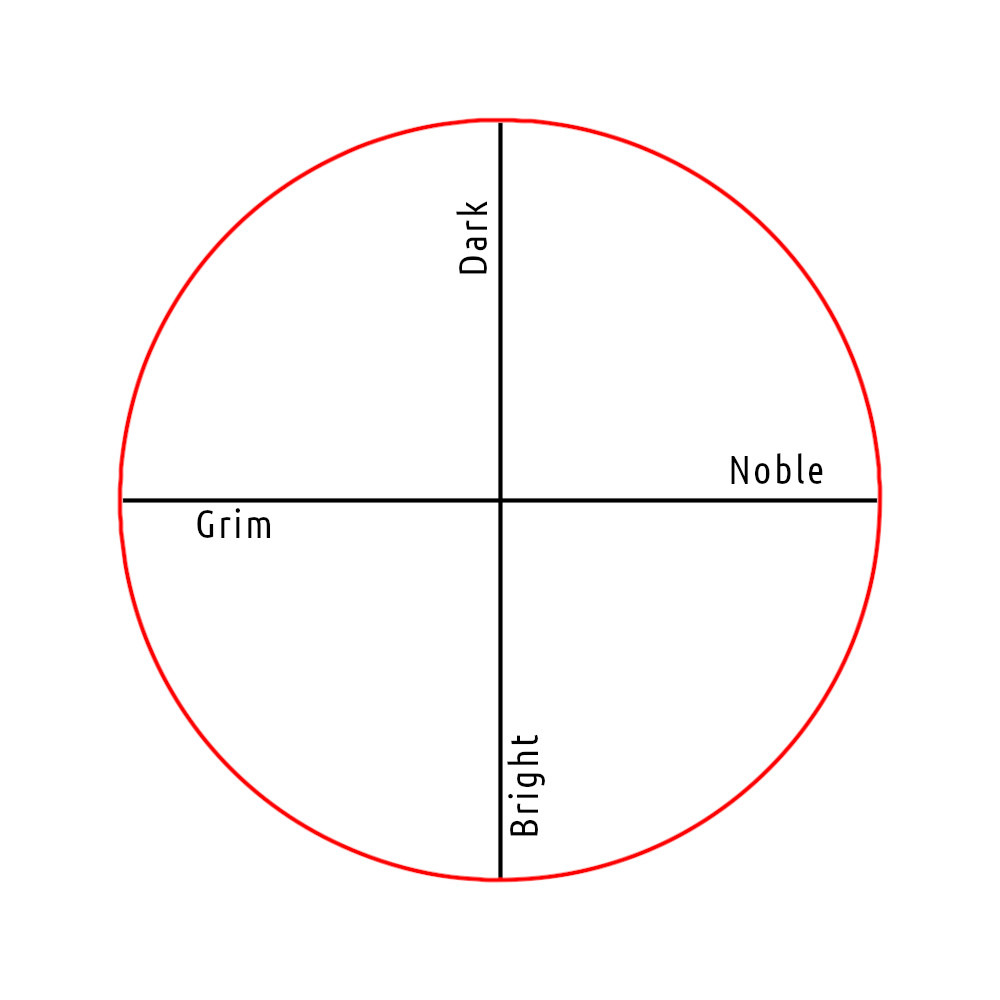
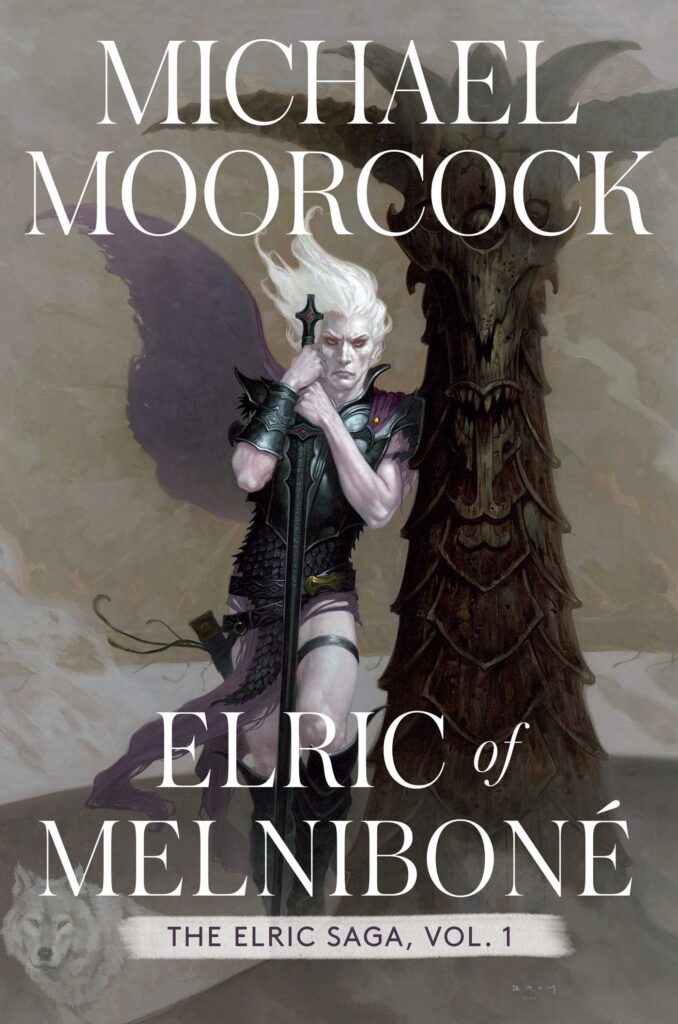
Previously we chose Nobledark as the general tone we were aiming for; evil had won at some point and is usually winning (Dark) but now the characters and individuals have the power to change that (Noble). This choice of tone does give us some information about the setting and its history.
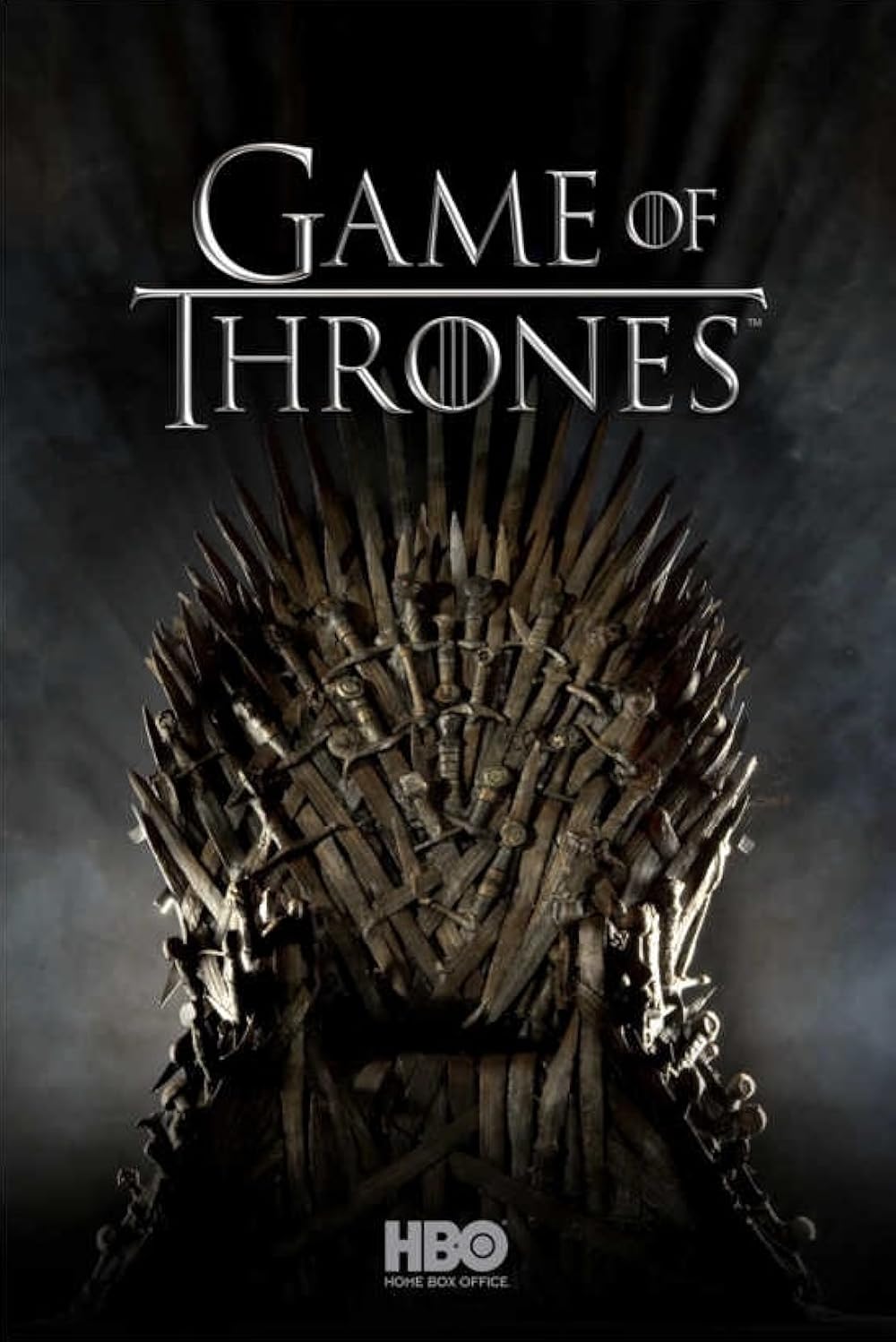
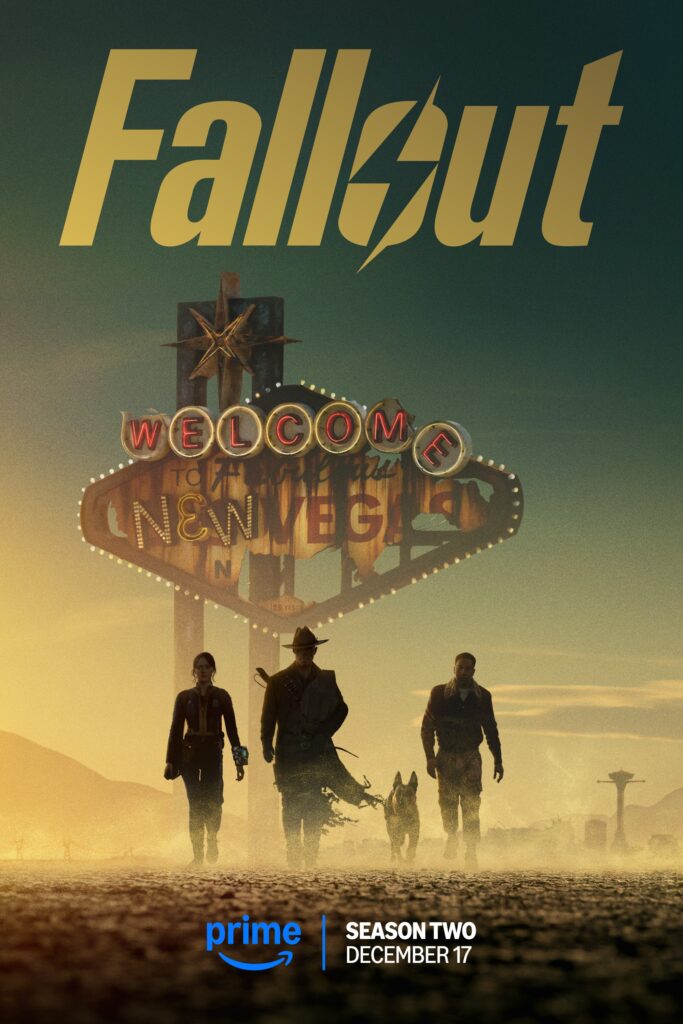
Let’s detail how evil won in broad strokes and we can come back to it later. I like the idea of fallen empires and the world being built on the ruins of the old- a post-apocalypse of sorts. So perhaps the world is in a dark age with no overruling power. The last great power fell into ruin by some mysterious circumstances (this can be a question that can be answered later by the characters or perhaps the question is more important than the answer) leading to an age of monsters, strife and conflict. Now desperate petty kingdoms and city states fight for survival against the forces of evil (yet to be named) and each other (this is where we can put the Game of Thrones elements).
Our First Town
So with all this in mind let’s make our first town and work our way out from there. When making a settlement we need to get five things down: environment, economy, size, government, and culture. These five elements will all feed into each other and there isn’t an exact science or order. Let the vibes take it away
Environment
What is the world like outside the town? Think of the geography, the wildlife, the political landscape and how this will affect the people and the goings-on in the town. I’m going to place our town in some plains with a nearby forest. I also want to show the fractured nature of the setting, so the town is quite isolated with little contact outside the occasional traveling caravan.
Why might the town be isolated? Monsters of course. Like every fairy tale tells children to stay out of the woods because monsters live there. What kind of monsters? There is a whole book we can use called The Monster Core which outlines a Pathfinder monster’s statistics, rules, lore, behavior. I think giant spiders are good as well as perhaps a cunning clan of goblin bandits.
Economy
How do the people of our town sustain themselves? Size plays a role in determining the sophistication and feasibility of the economics of the town. A massive metropolis in a desert will have a different economy than a mountain village.
We’ve decided to put the town in some plains with a nearby forest, so we can assume the people of this place do farming and some logging. Great! We can get into more of the specifics later about how that ties them into other places but let’s put farms and a mill nearby. This might put them in conflict with the local wildlife and monsters that live in the nearby forest (we are already getting ideas for adventures when we start playing!).
There might be a handful of artisans and secondary industrial workers that support and survive off of these primary producers. We also want to have goods and services for travelers and the denizens of the town.
A blacksmith might make the various metal tools for the loggers and the. A miller might help process the grains. A butcher processes the animals. The economics of the town can be as detailed as we like.
Size
The population of a place can be dictated by its ability to produce the means to sustain people and is a contributing factor to the economy of a place. I want there to be a small town vibe for our first settlement, so let’s say there’s about a couple hundred people- like 500. Most of these people are going to be nameless extras and set dressing. We will detail the important characters and people later.
Culture
People are often a product of their environment, so let’s detail what life is like in this small town of farmers and loggers. Given the small size of the town, it might be a tight knit community where everyone knows everyone, there is gossip all around and rumors can spread like wildfire. This small size might make them wary of strangers and outsiders, so we can establish a tone that most of the NPCs will take with the party if they are not from here. If the town is isolated, there might also be an element of grim self-reliance.
I’ve wanted to make it post-apocalyptic, so how can we show that in our town? How about an old remnant from the previous times that the town sprang up from? Let’s say we have an advanced mage tower or something in the middle of town that has some strange power; perhaps superstition, or reverence, for the tower keeps most of the townsfolk away (again, we have another plot hook for the campaign).
Demographics also play a role in determining the culture. In the worlds of fantasy, there are many different kinds of people: stout, stoic dwarves; tall grateful elves; magical and curious gnomes: and many other people. I like to have a mix of these different people to reflect a baseline and get the players familiar with the different people of the world. That way, an expectation can be set for future interactions. For simplicity’s sake, baseline humans will make up about 80% of the town will be human, about 5% dwarf, 5% elf and 10% miscellaneous people I will add later.
Why is there a cosmopolitan mix of people in a small town? I’ll say the last empire moved people around to settle borderlands and to establish control over areas. These people would not have ties to their homelands, but to the empire and the new settlements they created. It can be an interesting theme to explore during the campaign, or it can be a minor contrivance to fit with the vibes of the story we want to tell.
Religion is also a massive part of the culture of places. In a fantasy world, the gods are active participants of the world and can be invoked to perform miracles. Given we’ve established these people are farmers and live, we can use the Pathfinder god Erastil as the primary deity of this community. We can also have smaller flocks of other denominations like a god of craftspeople or gods tied to a particular people, like the dwarven god Torag or the elven god Ketephys. Places of worship and priests can be another area we can detail further.
Governance
What does the leadership of this town look like? Given this is a small tight-knit community with a I’m going to say they might not be ruled by a feudal lord, but maybe a small council of community leaders. Maybe we will borrow a leaf from Monty Python and the Holy Grail and have “an anarcho-syndicalist commune. [they] take it in turns to act as a sort of executive officer for the week, but all the decisions of that officer have to be ratified at a special biweekly meeting (Jones & Gilliam,1975).”
In all seriousness, a small town council of elected officials will be a good way to get some kind of intrigue and conflict into the first town. We will flesh out that conflict next time as we detail the personalities of the townsfolk and the personae dramatis.
Name
Naming things is one of the hardest parts of creating a setting. Again the curse of originality rears its head and you doubt yourself, or something you thought sounded cool is reduced to ridicule in an instant1. A trick I found works is follow real world naming schemes such as “something-berg,” or to throw two nouns together like “Frosthill,” an adjective and noun “Cold Town” or a possessive and a noun “Harlon’s Hill” and work from there. Names will be a reflection of all the factors we have detailed so far. For this town, I like the idea of calling it “Myra’s Tower.” This makes reference to the tower, it creates a mystery of who Myra is.
Wrapping Up
So we have created the town of Myra’s Tower, a small isolated agrarian town in the middle of the forest with an ancient ruined tower in the middle. This is a great starting point for a campaign. Next time we will start to populate the town and use a new program to help organize our thoughts.
- I remember a campaign set in the city of Kush. Kush, for those that don’t know, is a term for cannabis. This lead to every interaction with the denizens of the city devolving into a joke about smoking weed. As fun as it was for the group, the GM did not intend for this when they named the city Kush. ↩︎