As we start out on this journey to create a setting and a campaign, we need to set some parameters, limits and goals. Before making a setting and campaign for a game, I like to set four parameters. Goals, Style, Tone and Inspiration.
Goal
Firstly, the goal of our setting is to play in a campaign. This means that the world needs to be played in by a group of players and reflect their actions. With this goal in mind, we get some of our parameters, or rules we can follow. For instance, given that this is supposed to be a game, we only want to focus on the parts that the players will be interacting with. People, locations, histories, monsters and the like are all fair game (pun intended). While certain aspects of the world don’t need to be planned out—no one really cares in a game about fighting skeletons what the lich’s stance on private business taxes are!
Style
Secondly, we will be looking at the kind of game we want to run. This could be a whole post in itself, so I am going to do a quick and dirty rundown of style for a campaign. Style can be determined by two measurements: player agency and gameplay focus.
Player agency is how much freedom players have to make decisions and pursue their own goals. A game with a low amount of player agency is often described (derisively) as a “railroad,” there is only one direction and that is forward. On the other hand, a game with a high amount of player freedom (which can have its own pitfalls if poorly managed) is described as a sandbox, for there are seemingly limitless options for the players to build their story (much like a child in a sandbox) I would like to give players as much choice as possible.
The other part of style will be what kind of gameplay we’d like to focus on. Games such as Pathfinder can be divided into three pillars of gameplay: combat, roleplay and exploration. Combat is when players engage against an opposition with their weapons, wits, magic and tactics to snatch victory from the jaws of defeat. It is the most rules focused part of the game with the majority of the rulebook being. Roleplay is when players engage with Non-Playable characters (NPCs) and each other as their characters (the players’ in-game personas). This is a more freeform and improvisational part of the game, but often leads to the most memorable moments in my opinion. Lastly, Exploration is the problem solving, investigation, interacting with the setting and environment. For the group of players I have in mind, I want to have a good balance of all three pillars, so that everyone has a moment to shine and enjoy.
Tone
Next we need to set some basic aspects of the setting as well as the tone and taste of the world. I want to use Pathfinder Second Edition as a system for this game, which lends itself well to a more heroic medieval fantasy setting with its rules (focusing on melee combat, magic and fantasy elements). So the world we will be making is going to have some of those elements in its DNA. Next is tone and taste, I use this axis graph that I saw ages ago on a gaming forum (see image provided https://www.onelowerlight.com/writing/the-secular-cycle-of-grimdark-vs-noblebright/)
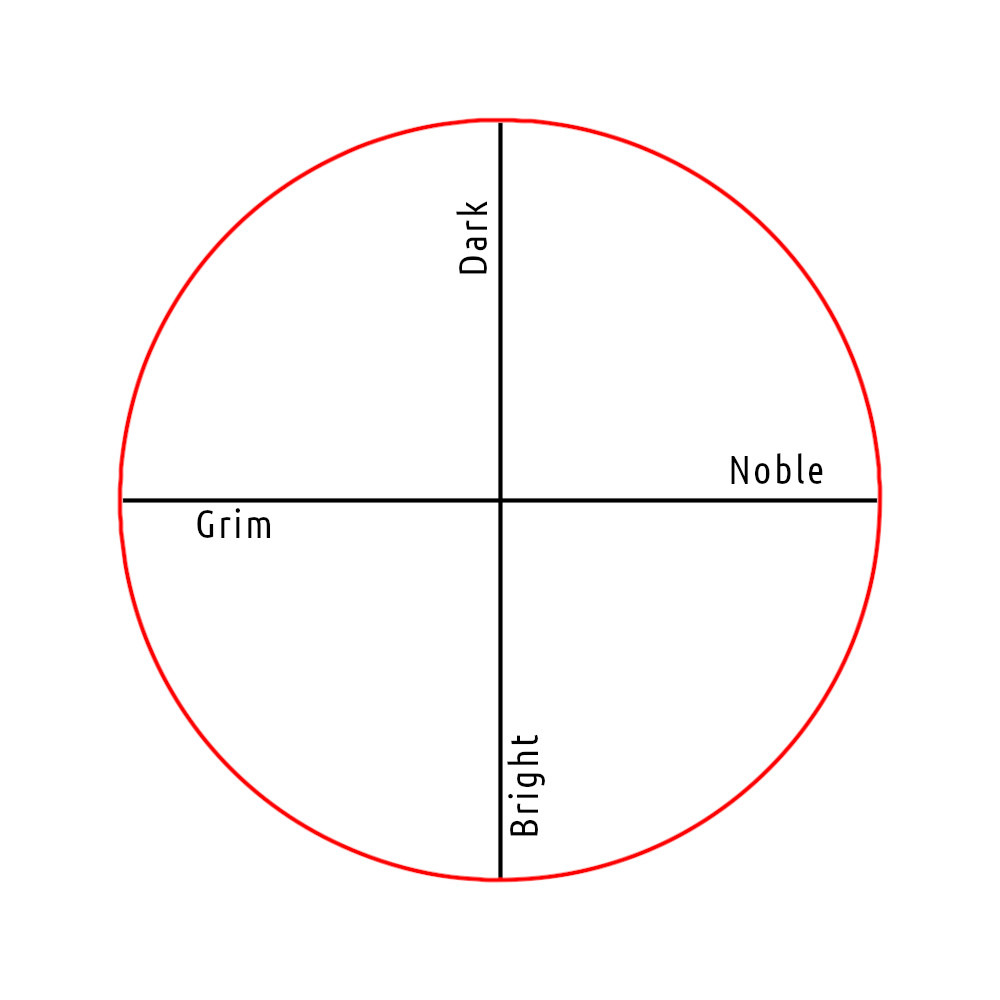
The two axes: Noble and Grim;and Dark and Bright, reflect approaches and general philosophical axioms about the world.
In short, “bright vs. dark axis describes whether the fantasy takes place in a world where good usually triumphs over evil (bright), or a world where evil usually triumphs over good (dark). The noble vs. grim axis describes whether the characters have the power to change the world (noble), or whether they do not (grim). (Vasicek, 2022)”
I want to have a world where evil won, or at least succeeded a while ago, but the party rises to become heroes and face the forces of evil. According to Vasicek (2022), this would be a nobledark kind of setting. Nice! We’re being vague right now but it is important to set a tone.
There is also the kind of level of seriousness expected in this nascent campaign. A light campaign might be more comedic in tone, leading to impromptu characters like Jim Exposition, the friendly know-it-all. Conversely a serious campaign is to be treated with an air of gravity with players treating it like a stage production. I for one, like to strike a balance between all out silly and serious.
Inspiration
“Good artists copy; great artists steal”- Pablo Picasso
This quote discusses how we innovated and expanded upon existing ideas and appropriate them for our own uses (stealing) instead of merely mimicking existing styles. Many people struggle with originality and authenticity during creative endeavors and fear that what they create is merely just imitating what has been done before. I say we lean into that but try to expand, inspiration can come from history, movies, games, current events, songs, and myriad other sources. The originality is how we implement and remix them into our own. Apologies for this tangent but perhaps I feel the need to explain what I mean by campaign inspiration and how crucial this mindset is to creating a campaign setting (or any work for that matter).
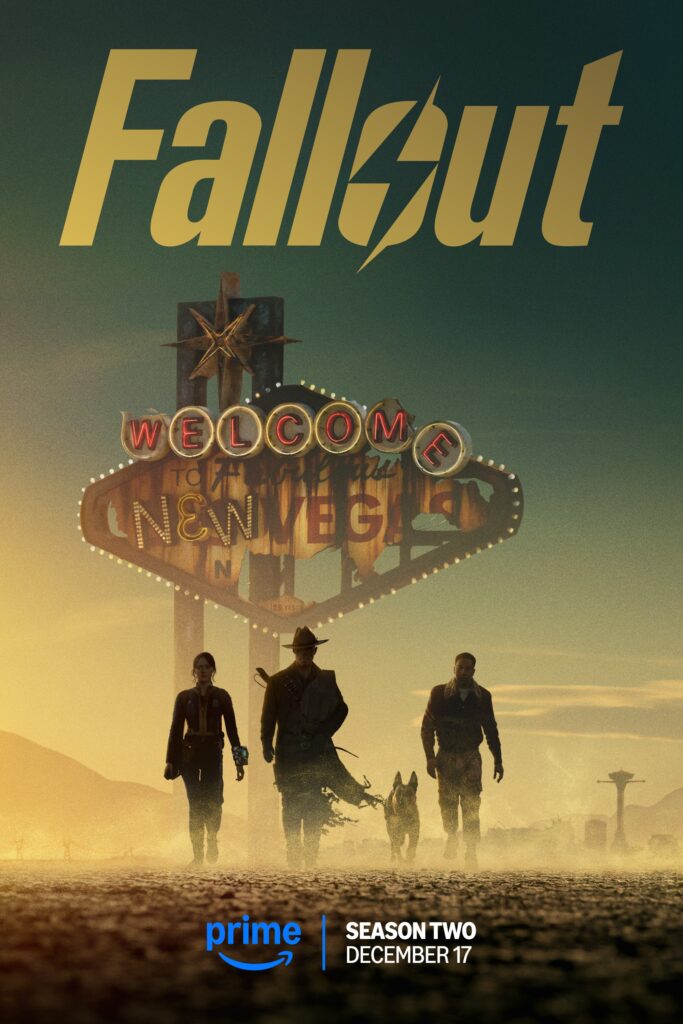
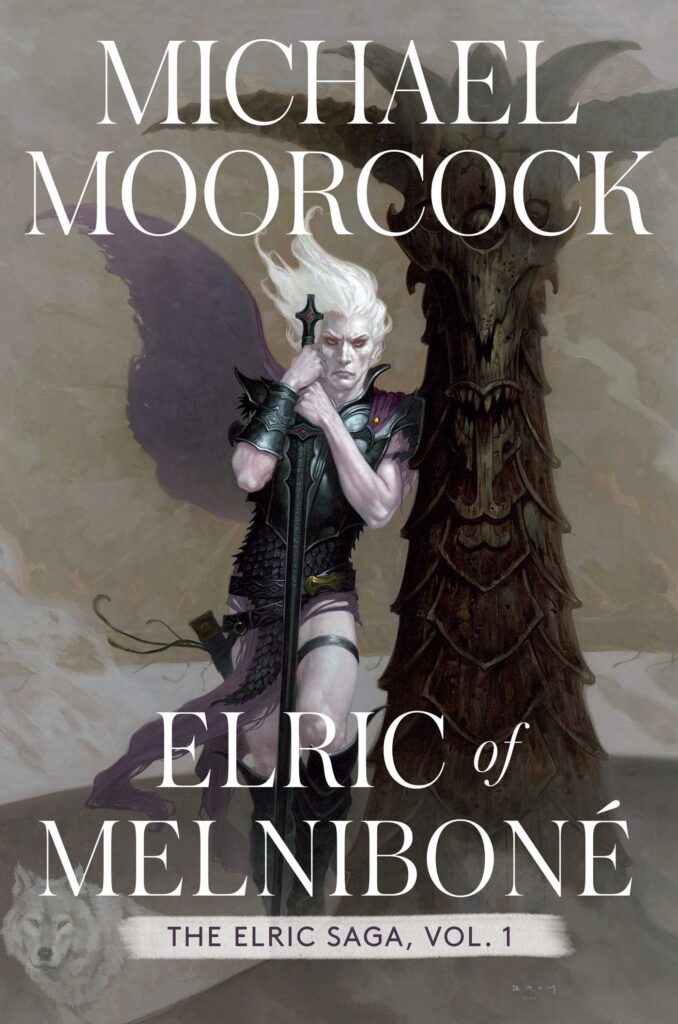
Finally we are going to choose elements we want to develop, I usually like going off of inspirations and aping off of those elements. I want to have the pulpy adventure we see in things like Conan the Barbarian, or Indiana Jones– larger than life, death defying heroes getting into fights, overcoming challenges. I also want to include some aspects of political maneuvering and skullduggery like we see in A Song of Ice and Fire series. The Fallout TV series has also been on my radar with the release of its second season and I love it’s approach to a post-apocalyptic world and how people interpret the pre-war world. Though the genre is science fiction, we can borrow those elements for our own setting. Finally, I have fallen in love with the Elric of Melnibone series by Michael Moorcock of late. We have an anti-hero, fallen empires, destiny, demonic blades, weird sorcery; it’s like a nerd’s dream novel, and it was written in 1961!
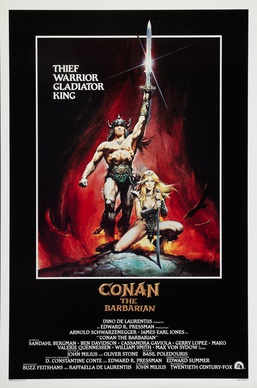
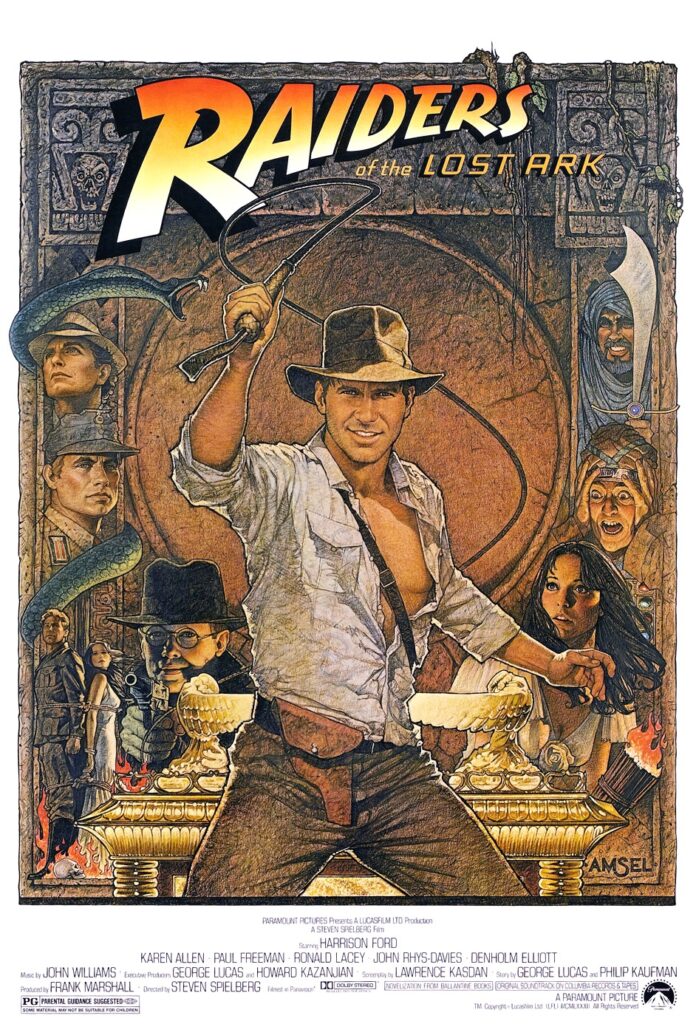
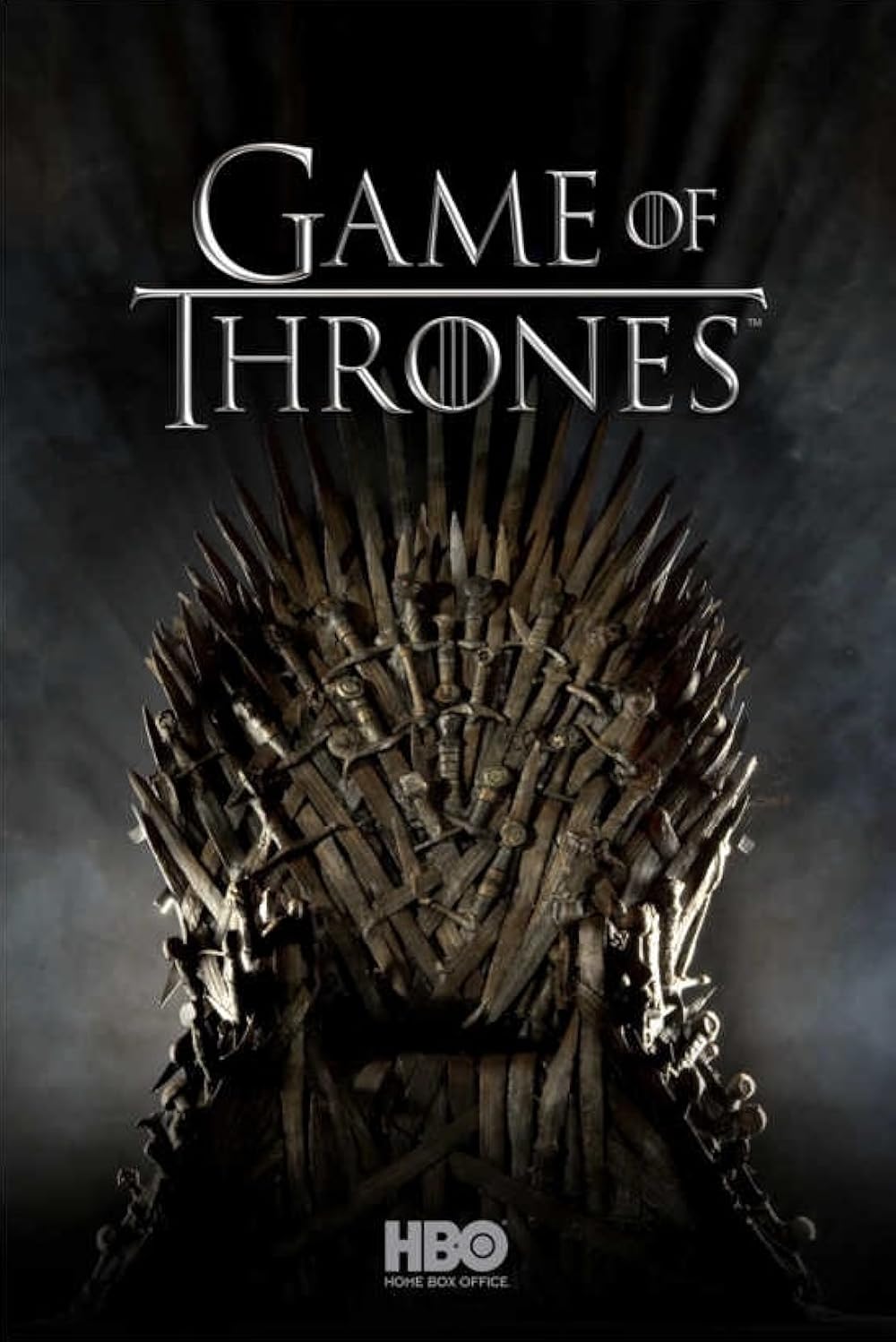
I want to incorporate these themes and elements as we create the fine details of the campaign and the world.
Conclusion
So to recap, we want to make a Noblebright, semi-serious with lots of player freedom and a balanced gameplay approach. We have the inspirations in mind as we start getting pen to paper and fleshing out the locations and events that have shaped this world.
Join me for the next post as I start outlining the details of the setting itself.
References
Benioff, D., & Weiss, D. B.. (2011). Game of Thrones: Season 1. HBO Entertainment; Warner Bros. Home Entertainment.
Milius, J. (Director). (1982). Conan the Barbarian [Film]. Universal Pictures.
Moorcock, M. (2022). Elric of Melniboné: The Elric saga part 1. Saga Press.
Robertson-Dworet, G., & Wagner, G. (2025–2026). Fallout: Season 2. Amazon MGM Studios; Kilter Films; Bethesda Game Studios.
Spielberg, S. (Director). (1981). Raiders of the Lost Ark. Lucasfilm; Paramount Pictures.
Vasicek, J. (2022, June 14). The secular cycle of grimdark vs. noblebright. One Thousand and One Parsecs. https://www.onelowerlight.com/writing/the-secular-cycle-of-grimdark-vs-noblebright/